
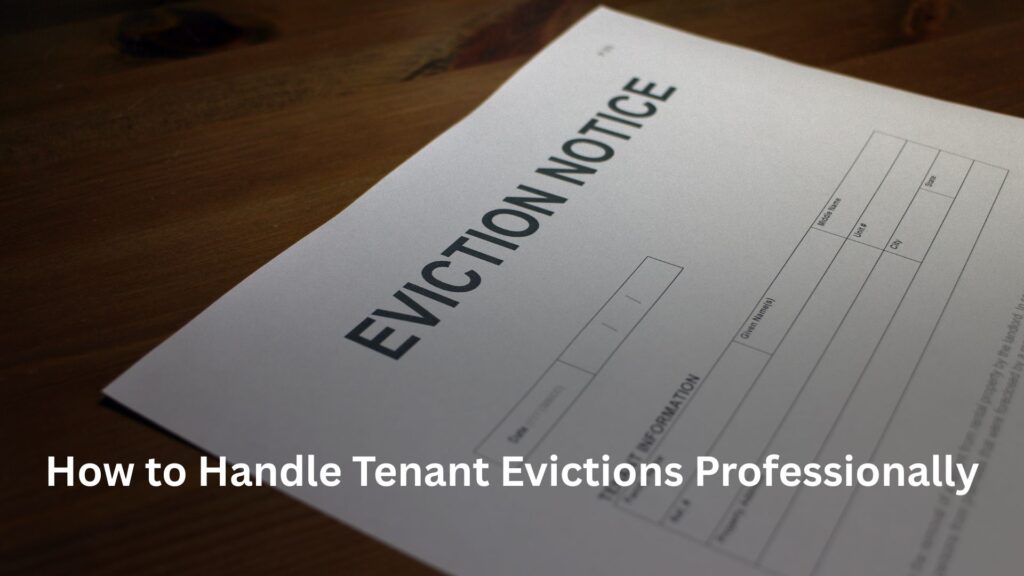
How to Handle Tenant Evictions Professionally
Evictions are among the most sensitive situations PG operators face. No property owner starts a business expecting to remove tenants, but sometimes circumstances make it unavoidable.
Repeated rent delays, rule violations, or behavior that affects other residents can create situations where continuing the stay is no longer possible.
What matters most in these moments is how the eviction is handled. A poorly managed eviction can lead to disputes, reputational damage, or even legal trouble. On the other hand, a professional and structured process helps maintain clarity, fairness, and compliance.
By following proper procedures, documenting everything clearly, and communicating respectfully, PG operators can handle eviction situations in a way that protects both their property and their reputation.
When Does Eviction Become Necessary?
In most cases, eviction is not the first step. Many issues can be resolved through reminders, discussions, or clarifying the property rules.
However, there are situations where continuing the tenancy becomes difficult for everyone involved.
Some common reasons PG operators may need to consider eviction include:
- Repeated non-payment of rent
- Violation of PG or hostel rules
- Damage to property or facilities
- Behavior that disturbs other tenants
- End of agreement without renewal
When such issues continue despite warnings, eviction may become the only practical option. The key is to approach the situation professionally rather than emotionally.
Understanding the Tenant Eviction Process in India
In India, evictions must follow the conditions mentioned in the rent agreement and local tenancy laws. Even in PG setups, where agreements may be simpler than full rental contracts, the basic principle still applies: tenants cannot be asked to leave without proper notice.
A typical eviction process usually involves:
- Reviewing the rental agreement
- Issuing a formal notice
- Allowing the agreed notice period
- Completing the final settlement
- Documenting the move-out
Following these steps ensures that the eviction remains legally sound and avoids unnecessary conflict.
If you want to understand the legal rights and responsibilities in more detail, you can also explore our guide “Tenant Eviction Guide: Landlord Rights to Evict a Tenant Legally”, which explains the legal framework and procedures landlords should follow.
Skipping formal steps or relying only on verbal communication often creates confusion later.


Notice Handling: The Most Important Step
One of the biggest causes of eviction disputes is poor communication.
If tenants feel that they were asked to leave suddenly or without explanation, situations can escalate quickly. This is why the eviction notice must be clear, written, and properly documented.
A professional eviction notice should include:
- Tenant name and room details
- Date of the notice
- Reason for eviction (if applicable)
- Notice period duration
- Final move-out date
- Information about deposit settlement
Providing written notice ensures that both sides have a clear understanding of what will happen next.
Even when the situation is difficult, maintaining a respectful tone in communication helps reduce tension.
Why Documentation Is Critical
Many PG operators underestimate the importance of maintaining proper records. However, documentation becomes extremely valuable during eviction situations because it proves that the process was handled fairly.
Important records operators should maintain include:
- Signed rental agreements
- Rent payment history
- Security deposit records
- Written warnings or communication
- Notices issued to tenants
These documents create a clear timeline of events. If any disagreement arises, having organized records can quickly resolve the matter.

How to Avoid Escalating the Situation
Evictions can become emotional for tenants, especially if they have lived in the property for a long time.
This is why maintaining a calm and professional approach is essential.
Some practical steps that help prevent escalation include:
- Communicate the issue early rather than waiting too long
- Stick to the notice period mentioned in the agreement
- Avoid arguments or confrontational conversations
- Keep written communication whenever possible
- Document every step of the process
A structured approach ensures that the situation stays professional rather than personal.
Managing Move-Out and Final Settlement
Once the notice period is completed, the next step is the move-out process and settlement. This stage should be handled carefully because financial misunderstandings often occur here.
Before returning the deposit, operators should review:
- Pending rent dues
- Electricity or utility bills
- Property damages, if any
- Cleaning or maintenance charges
Being transparent about deductions helps prevent last-minute disputes. Providing a simple breakdown of the settlement ensures that both parties understand how the final amount was calculated.
Why Digital Records Make Evictions Easier to Manage
Manual record keeping can make eviction situations more complicated than necessary.
When agreements are stored in physical files, payments are tracked in spreadsheets, and communication happens across different platforms, retrieving accurate information quickly becomes difficult.
Digital systems help keep everything organized.
Operators can easily access:
- Tenant agreements
- Payment history
- Security deposit records
- Notice communications
Platforms like RentOk help PG operators maintain structured tenant records so that important information is always available when required.
Managing Old Tenant Records Properly
Even after a tenant moves out, keeping their records organized is important.
Old tenant records help operators:
- Resolve future disputes
- Review payment history if required
- Maintain compliance documentation
- Track room occupancy history
RentOk allows PG operators to move tenants into an Old Tenants section, where agreements, payments, and records remain accessible without cluttering the active tenant list.
This keeps operations organized while preserving important historical data.

Setting Clear Policies to Prevent Future Issues
One of the best ways to handle eviction situations professionally is to create clear policies from the beginning.
When expectations are defined early, tenants are less likely to misunderstand the rules.
Some policies operators usually define include:
- Rent due dates and late payment rules
- Notice period requirements
- Property usage guidelines
- Deposit deduction policies
Clear policies make it easier to manage difficult situations while maintaining fairness.
Handling Evictions with Structure and Confidence
Evictions are never pleasant, but they are sometimes necessary to maintain discipline and fairness within a PG environment.
The key is to handle them professionally and systematically. Clear agreements, proper notice, and organized records can prevent most disputes and make the process smoother for both operators and tenants.
As PG operations grow, managing tenant records, notices, and payment history manually can become difficult. Having everything organized in one place helps operators handle situations like move-outs and evictions with far more clarity.
Tools like RentOk help PG operators maintain structured tenant records, agreements, and payment histories so that important information is always accessible when needed.
If you want to simplify tenant management and maintain proper documentation for situations like evictions, it may be worth taking a closer look at how RentOk works.
You can book a quick demo of RentOk to see how PG operators manage tenants, records, and daily property operations more efficiently using a single platform.