
How to Manage PG Complaints Efficiently
Every PG owner says this at some point:
“Complaints are increasing.”
But here’s the truth, complaints are not increasing. Occupancy is.
When more people live under one roof, more things break, more expectations collide, and more issues surface. That’s normal.
What is not normal is chaos.
If complaints move through phone calls, caretaker updates, and scattered WhatsApp messages, they slowly start controlling your day. You don’t feel like you’re managing operations. You feel like you’re firefighting.
Efficient PG complaint management is not about eliminating complaints. It’s about building a system where nothing gets lost.
Why Most PG Complaint Handling Feels Stressful
Think about how complaints usually come in.
A tenant messages you.
Another calls your caretaker.
Someone mentions a problem casually in the corridor.
You respond. You intend to fix it. But there is no central record.
Now imagine this happening 15 times in a week.
Without structure:
- You don’t know how many complaints are currently open.
- You can’t track which one came first.
- You don’t know if a vendor was actually assigned.
- You can’t measure how long it’s taking to resolve.
And when a tenant follows up saying, “It’s been 3 days,” you don’t have data. You only have memory.
That’s where frustration begins, for both sides.

The Real Shift: From Verbal to Documented
Managing complaints efficiently starts with one decision:
Every complaint must be logged.
Not remembered.
Not “noted mentally.”
Logged.
Once an issue is formally recorded, it becomes part of a system.
An efficient complaint process should include:
- Clear logging of the issue
- Proper categorization
- Assignment to a specific person
- Status tracking until resolution
These four steps alone remove 70% of operational confusion.
When something is written and visible, it becomes accountable.
Why Categorization and Assignment Matter More Than You Think
Not all complaints are equal.
A plumbing issue needs a vendor.
A housekeeping issue needs internal staff.
A roommate conflict may need supervision.
When complaints are categorized properly, patterns start appearing. If WiFi complaints keep repeating, the issue is not the tenant, it’s infrastructure. If housekeeping complaints rise during weekends, staffing needs review.
Clear assignment is equally important.
When you assign a complaint to “someone,” nothing happens.
When you assign it to a named person with visibility, accountability improves automatically.
Structure creates discipline.
Status Tracking Reduces Follow-Ups Instantly
One of the biggest reasons tenants escalate issues is uncertainty.
If they don’t know whether action has started, they assume it hasn’t.
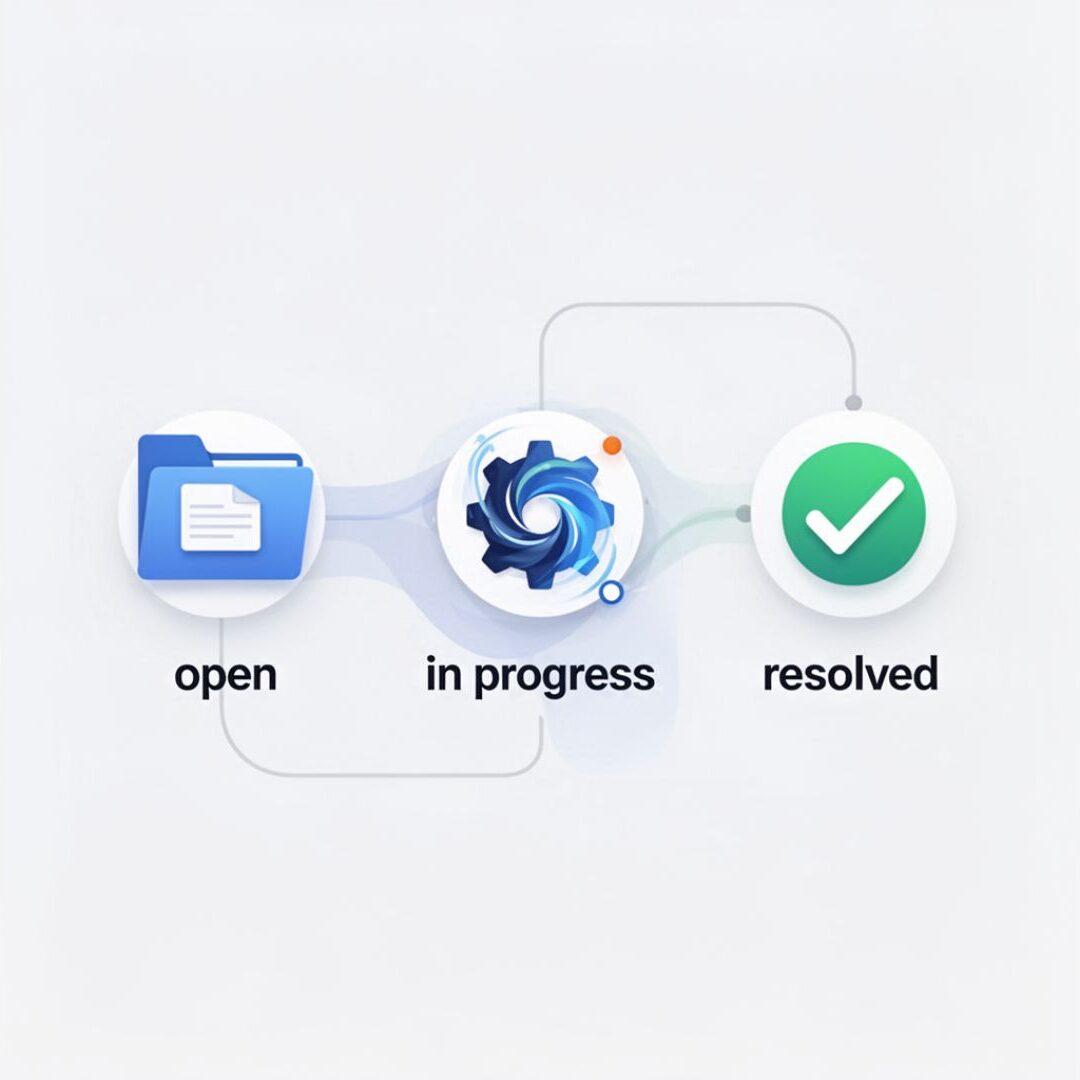
A structured system moves complaints through stages like:
- Open
- In Progress
- Resolved
This simple visibility changes everything.
Even if a repair takes time, tenants feel reassured when they see progress. Transparency reduces emotional friction.
Why Resolution Time Should Be Measured
Fixing an issue is good.
Knowing how long it took is better.
When you start tracking resolution time, operational gaps become easier to spot. Patterns begin to emerge, a particular vendor may take longer than expected, certain types of complaints may increase during specific periods, or staff workload may not be distributed evenly. Without tracking, these issues remain assumptions. With data, they become actionable insights.
Without tracking, you manage blindly. With tracking, you improve intelligently.
Professional PG management depends on measurable systems.
How RentOk Structures Complaint Management
This is where structured technology becomes practical.
Inside RentOk’s Complaint Page, tenants raise complaints directly through their app. They don’t need to call or chase anyone. The issue gets logged automatically.
From there:
- The complaint is categorized.
- You assign it to a specific staff member or vendor.
- It moves through defined stages.
- You monitor everything from one dashboard.
You can instantly see how many complaints are active, which ones are overdue, and who is responsible for each task.
Nothing depends on memory. Nothing stays inside chats.
As occupancy increases, this structure becomes essential. What feels manageable at 20 tenants becomes overwhelming at 80 without a proper system.
RentOk replaces scattered communication with documented workflow.
Final Thoughts
Complaints are part of running a PG. Disorder doesn’t have to be.
When issues move through calls and scattered messages, operations feel reactive. When they move through a structured system, accountability improves and stress reduces. As your occupancy grows, structured complaint tracking becomes less of an option and more of a necessity.
If you’re ready to bring clarity and control into your complaint management process, take the next step.